The Complete PCOS Diet Guide: Eating to Balance Your Hormones
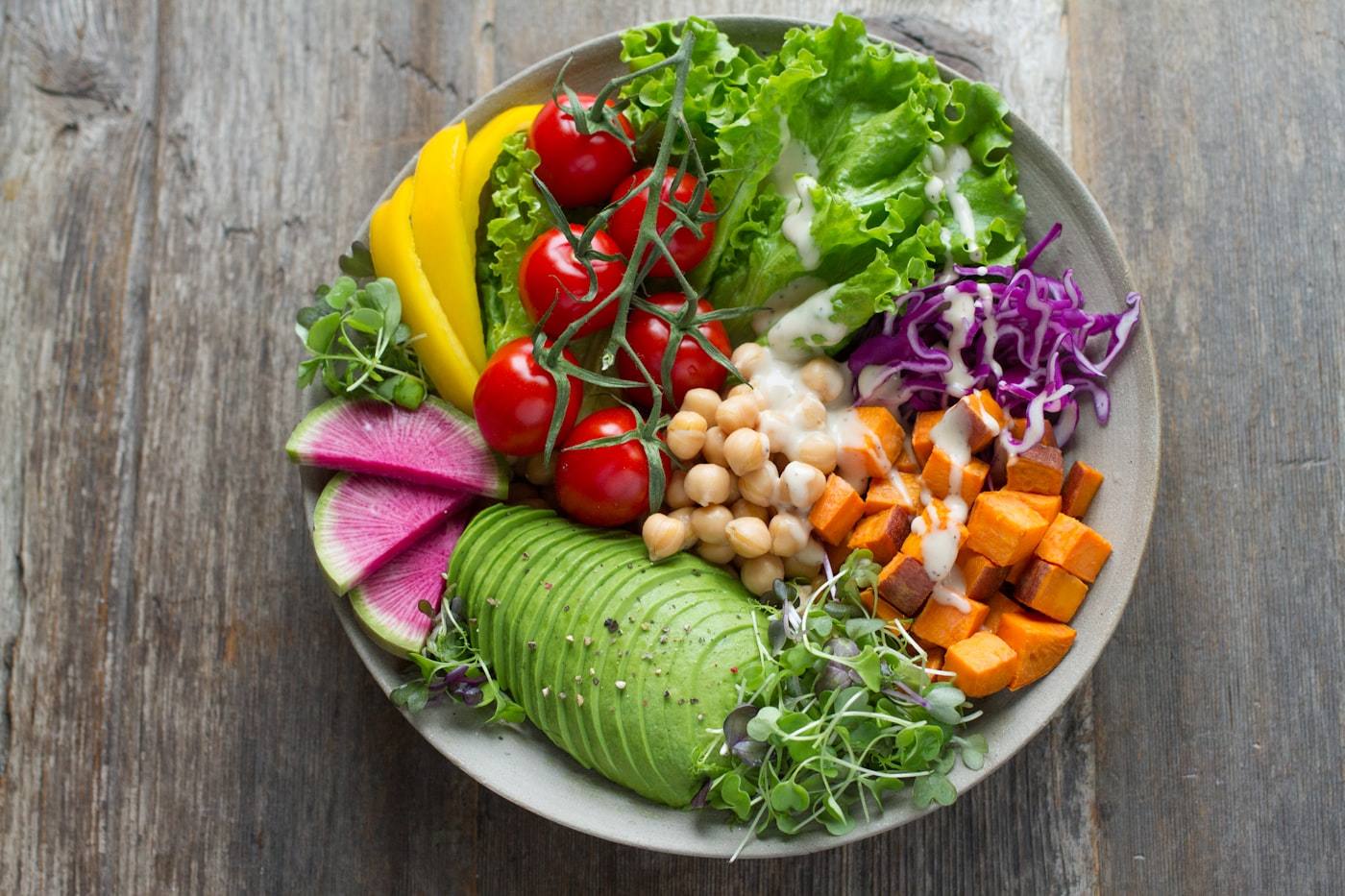
PCOS affects roughly one in five Indian women, and food is the most powerful daily tool for managing it — because for most women with PCOS, the engine underneath is insulin resistance. Eat in a way that calms insulin, and periods, skin, energy and fertility often follow.
The core principle: manage insulin
High insulin drives the ovaries to overproduce androgens (male-pattern hormones) — fueling irregular cycles, acne and hair symptoms. The dietary goal isn't starvation; it's steadier blood sugar with every meal.

Build every plate like this
- Protein at every meal — dal, paneer, eggs, chicken, fish, curd. Protein blunts glucose spikes and controls hunger.
- Half the plate vegetables — fibre slows sugar absorption and feeds a healthier gut.
- Whole grains over refined — millets, brown rice, whole wheat in controlled portions instead of maida, white bread and white rice mountains.
- Good fats — nuts, seeds, olive or mustard oil — for hormone production and satiety.
- Order matters: vegetables and protein first, carbohydrates last measurably lowers the glucose spike from the same meal.
What to minimize
Sugar-sweetened drinks and juices (liquid sugar is the worst offender), ultra-processed snacks, deep-fried food as routine, and long gaps followed by huge meals — which spike insulin hardest. Note: fruit is fine whole and portioned; it's juice that behaves like a soft drink.
Myths worth dropping
- "Carbs are banned in PCOS." No — quality, portion and pairing matter more than elimination. Unsustainable restriction leads to cycles of bingeing.
- "Dairy causes PCOS." Evidence is mixed and individual. Test your own response instead of banning by default.
- "One supplement will fix it." Inositol has reasonable evidence for some women; nothing replaces the eating pattern.
Beyond the plate
Sleep debt and chronic stress independently raise insulin resistance — a perfect diet can't out-eat 5-hour nights. Strength training improves insulin sensitivity more than cardio alone. And progress in PCOS shows up first in energy and cycle regularity, not the weighing scale; give the process 8–12 weeks before judging it.