Gut Health and Immunity: How Your Microbiome Defends You

If you keep falling sick, react to foods, or live with allergies or autoimmune issues, the place to look may not be where symptoms appear — it may be your gut. Roughly 70% of the body's immune tissue sits in and around the intestinal wall, in constant conversation with trillions of resident microbes.
How gut microbes train your immune system
Your microbiome acts as a round-the-clock instructor: it teaches immune cells to distinguish threats from harmless proteins, produces short-chain fatty acids (like butyrate) that calm inflammation and fuel the gut lining, crowds out harmful organisms, and maintains the mucus barrier that keeps bacteria where they belong. A diverse, well-fed microbiome produces a calibrated immune system; a depleted one produces an immune system that either under-reacts (frequent infections) or over-reacts (allergy, autoimmunity).
What damages the ecosystem
- Ultra-processed, low-fibre diets — starve beneficial species.
- Unnecessary antibiotics — collateral damage that can persist for months.
- Chronic stress and short sleep — alter microbial balance and gut permeability.
- Excess alcohol and smoking.
- Extremely restrictive diets — diversity of plants drives diversity of microbes; long elimination diets have a cost.
Rebuilding: what actually works
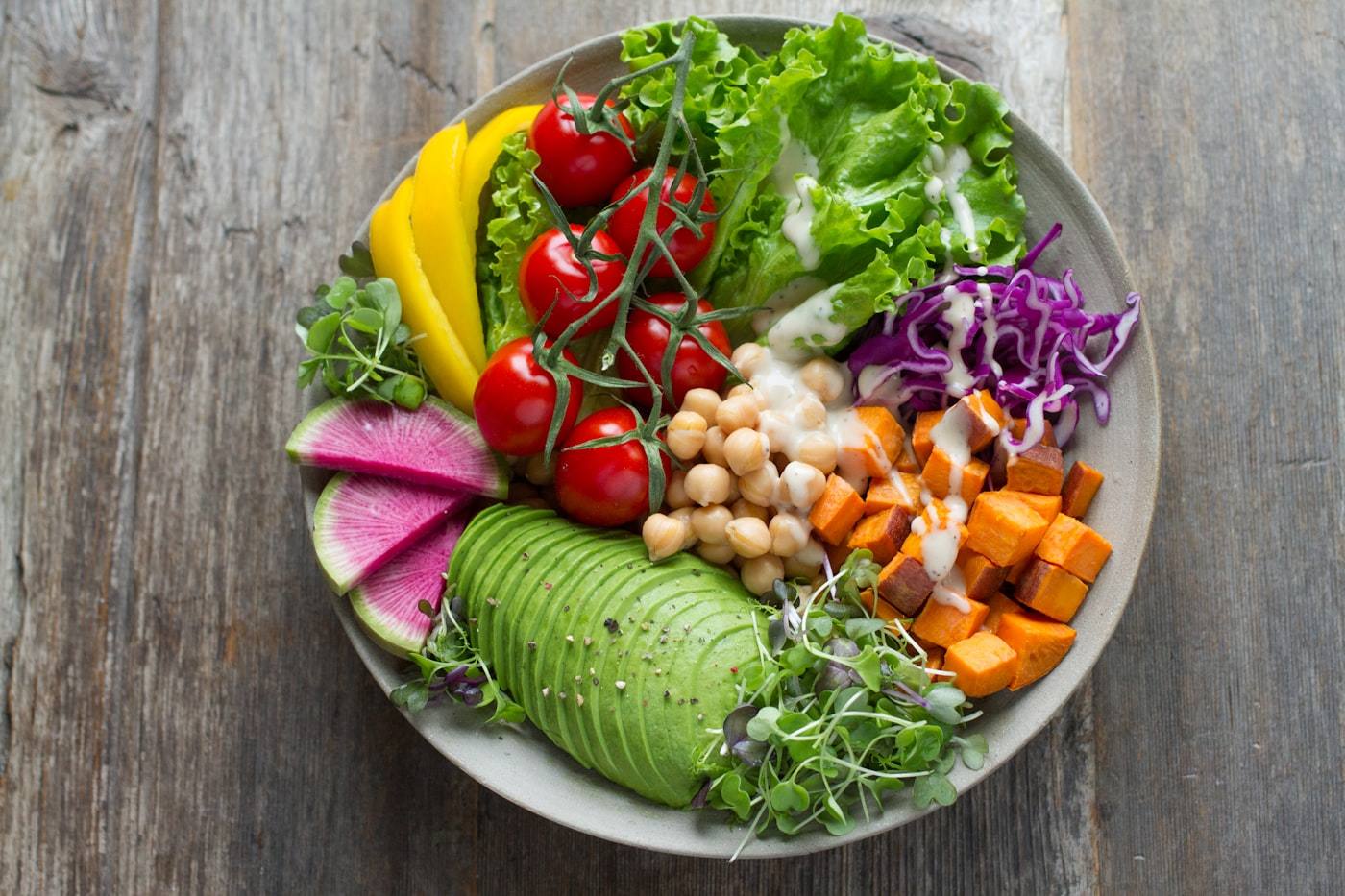
- Plant diversity — research links eating 30+ different plant foods a week (vegetables, fruits, dals, grains, nuts, seeds, spices all count) with markedly healthier microbiomes.
- Fibre as the foundation — the preferred food of anti-inflammatory microbes.
- Fermented foods — curd, buttermilk, idli/dosa batter, fermented pickles; shown to increase microbiome diversity and lower inflammatory markers.
- Targeted probiotics only when indicated — for example after antibiotics; otherwise feed your own microbes first.
- Sleep, stress care and regular movement — the gut–immune axis runs through the nervous system too.
When to seek help
Persistent bloating, irregular bowels, blood in stool, unintended weight loss or fatigue with gut symptoms deserve proper evaluation — gut symptoms overlap between minor imbalance and conditions like IBD, celiac disease and H. pylori infection that need specific treatment. Restoration works best on an accurate diagnosis.