Anti-Inflammatory Foods: An Evidence-Based Guide for Everyday Eating
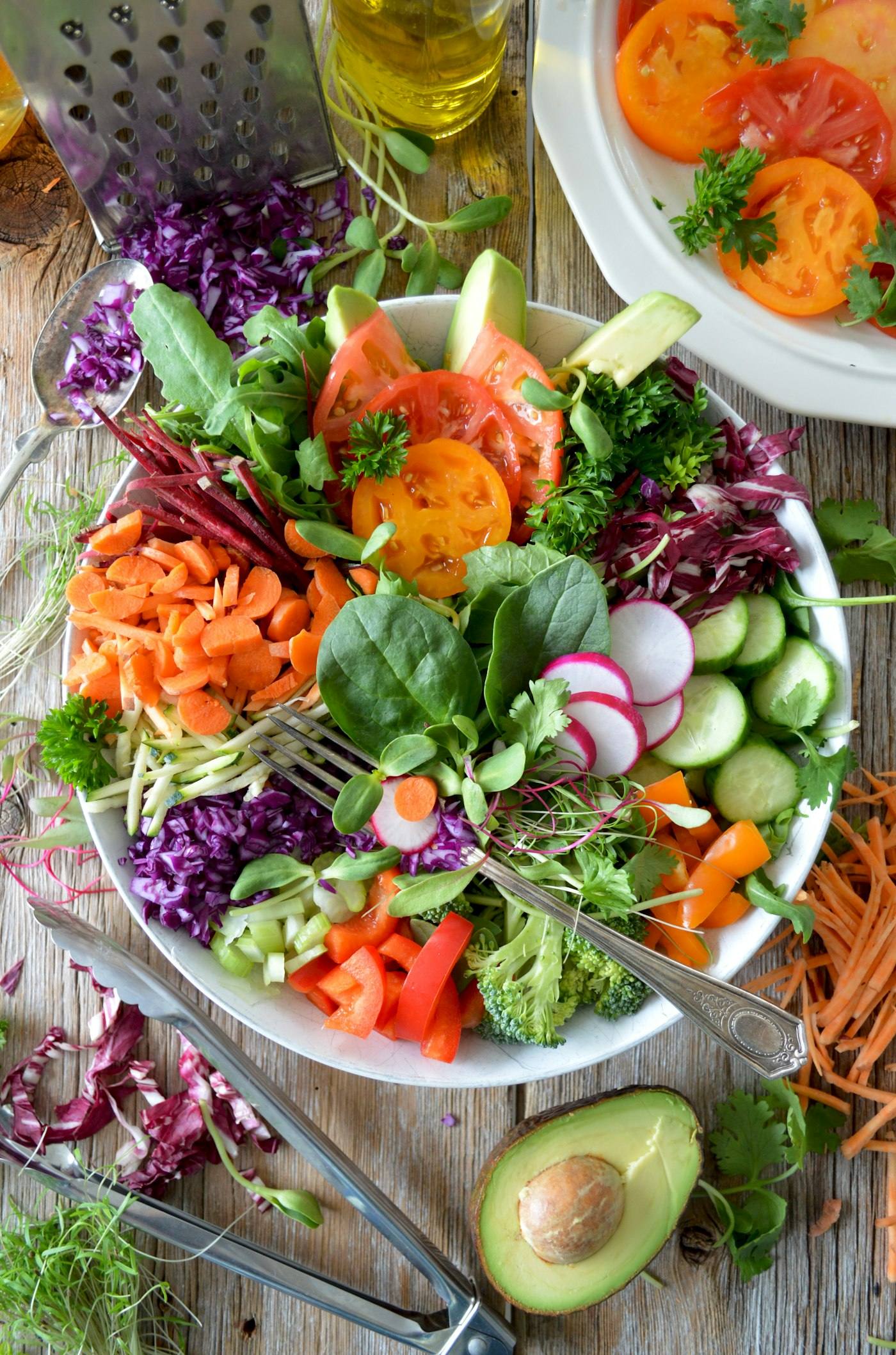
Chronic low-grade inflammation is a common thread through arthritis, psoriasis, gut disease, diabetes and heart disease. While no single food is medicine, your overall eating pattern either feeds that fire daily or dampens it — three times a day, for life. That adds up.
The calm-it-down list
- Colourful vegetables and fruit — polyphenols and fibre; aim for variety across the week, not perfection at every meal.
- Fatty fish — omega-3s (EPA/DHA) with the strongest anti-inflammatory evidence; flax, chia and walnuts for vegetarians.
- Pulses and whole grains — feed gut bacteria that produce anti-inflammatory compounds.
- Nuts and seeds — a daily handful associates with lower inflammatory markers.
- Spices you already own — turmeric (with black pepper and fat for absorption), ginger, garlic, cinnamon.
- Curd and fermented foods — support the gut microbiome, a key inflammation regulator.
- Olive or mustard oil over refined seed-oil-heavy frying.
The fuel-the-fire list
- Sugar and sugar-sweetened drinks — the most consistent dietary driver of inflammatory markers.
- Ultra-processed food — packaged snacks, instant noodles, bakery items; engineered for overconsumption.
- Refined flour (maida) as a staple.
- Deep-fried and repeatedly-heated oils.
- Excess alcohol and processed meats.
The pattern beats the superfood
No amount of turmeric compensates for a diet built on sugar and maida. Research consistently favours whole dietary patterns — Mediterranean-style eating, which maps comfortably onto Indian home cooking: dal, vegetables, whole grains, curd, nuts, fish where eaten, minimal processed food. Meanwhile sleep debt, chronic stress and inactivity each raise inflammation independent of diet — the plate is powerful, but it isn't working alone.
A one-week starting point
Swap sweetened drinks for water or unsweetened options; add one extra vegetable serving daily; eat a handful of nuts; replace one refined-grain meal with a whole-grain or millet version; and take a 10-minute walk after your largest meal. Small, permanent, boring — which is exactly why it works.